Choosing between a senior GPS alarm and a medical alarm for older adults
Understanding the difference between two safety tools
When a family starts looking for a way to help an older relative stay safe while living independently, two kinds of devices often come up: medical alarms and senior GPS alarms. At first glance they seem similar - both are worn on the body and both call for help. But the way they work, where they work, and what they cost over time are quite different. Knowing these differences helps a family choose the tool that actually fits the older adult's daily habits.
How medical alarms work
A medical alarm, often called a personal emergency response system (PERS), is designed for use inside the home. The user wears a pendant or wristband with a button. When pressed, the button sends a signal to a base station that is connected to a landline or a cellular network. The base station then contacts a monitoring centre that can call for help. Many medical alarms also include fall detection that automatically triggers an alert if the user falls and cannot press the button.
These devices rely on the base station being within range. If the user is in the garden, at a neighbour's house, or out shopping, the pendant cannot reach the base station. That is the main limitation. The system works well as long as the older adult stays near the home base, but it offers no protection beyond a certain radius.
How senior GPS alarms work
A senior GPS alarm does not need a home base station. It uses GPS and Wi-Fi location to determine where the person is, indoors and outdoors. The device is worn as a pendant, wristband, or clip, and it contains its own cellular connection. When the user presses an SOS button, or when fall detection triggers, the device sends the person's location directly to a caregiver's phone or a monitoring service. This means help can be dispatched even if the person is far from home.

Some GPS alarms also use Wi-Fi location indoors to improve accuracy where GPS signals are weak, such as inside large buildings with thick walls. This combination of positioning methods gives a clearer picture of where the person is, which is especially helpful if the person wanders or gets confused in unfamiliar places.
Comparing the two: key factors to weigh
Where the person spends their time
The most important question is whether the older adult mostly stays at home or goes out regularly. A medical alarm works perfectly for someone who rarely leaves the house and whose main risk is a fall while alone at home. In that case, the limited range is not a problem. But if the person enjoys walking, visiting friends, going to the shops, or attending community groups, a medical alarm offers no protection during those outings. A senior GPS alarm covers both home and away, making it the better choice for someone who is still active and mobile.
Fall detection reliability
Both types of device can include fall detection, but they sense falls differently. Medical alarms usually rely on accelerometers in the pendant or wristband to detect a sudden impact and change in position. Senior GPS alarms use similar sensors, but some also analyse movement patterns to reduce false alarms. The quality of fall detection varies between devices, so it is worth checking how the specific model handles everyday movements like bending over or sitting down quickly.
Battery life and charging
Medical alarms that connect to a landline base station often have a long battery life because the pendant only needs to transmit a short-range signal. Some pendants last a year or more on a single battery. Senior GPS alarms use more power because they communicate over cellular networks and constantly check location. Battery life on these devices is usually measured in days or weeks, depending on how often the GPS is active. Some models require daily charging, while others last several days between charges. This is a practical detail to consider for someone who may forget to charge a device.
Monthly fees and contracts
Medical alarms typically come with a monthly monitoring fee that covers the call centre and emergency response. Some providers also charge an activation fee or require a long-term contract. Senior GPS alarms can also have monthly fees for the cellular data plan and monitoring service. However, some devices offer a different model: they let families buy the device once and then pay only for a prepaid SIM or a low-cost data plan with no ongoing subscription. This can make the total cost over a few years quite different. One example of a device without monthly fees is the elderly GPS tracker from familyr.co.nz, which uses a prepaid approach instead of a recurring charge.

Ease of wearing and using
Both medical alarms and senior GPS alarms are worn on the body, but the wearing options differ. Medical alarm pendants are often larger because they need a long-range battery and a loud speaker for the base station. Some older adults find them bulky or uncomfortable to wear all day. Senior GPS alarms come in various forms: pendants, wristbands, clip-on devices, and even devices that fit into a pocket or handbag. The right choice depends on what the person is willing to wear consistently. A device that stays in a drawer because it is uncomfortable offers no protection at all.
When each option suits best
A medical alarm is a solid choice for an older adult who lives alone, does not go out much, and has a reliable landline or cellular connection at home. It provides peace of mind for falls and emergencies inside the house, and the long battery life means less maintenance. It is also a familiar concept for many families, which can make it easier to introduce.
A senior GPS alarm is better suited for someone who still goes out regularly, whether for errands, social visits, or walks. It also helps for caregivers who want to know where the person is, especially if the person has dementia or a tendency to wander. The ability to locate the person quickly in an emergency can make a real difference. For families who want to avoid ongoing monthly costs, a device that uses a prepaid data plan can be more economical in the long run.
Mobile coverage and reliability
One factor that often gets overlooked is mobile coverage. Medical alarms that use a cellular base station depend on the same mobile network as a phone. If the home has poor signal, the alarm may not work reliably. Senior GPS alarms also rely on cellular networks to send location data. Before choosing a GPS alarm, it is wise to check which networks the device uses and whether those networks have good coverage in the areas where the older adult spends time. Some devices work on multiple networks, which can improve reliability.
Making the decision as a family
There is no single right answer for every family. The best device depends on the older adult's lifestyle, their comfort with technology, and how much support they need. For some, a medical alarm is enough. For others, the extra freedom and safety of a senior GPS alarm is worth the trade-offs in battery life and wearing options. Talking to the older adult about what they would be willing to wear and how they feel about being tracked can help avoid resistance later.
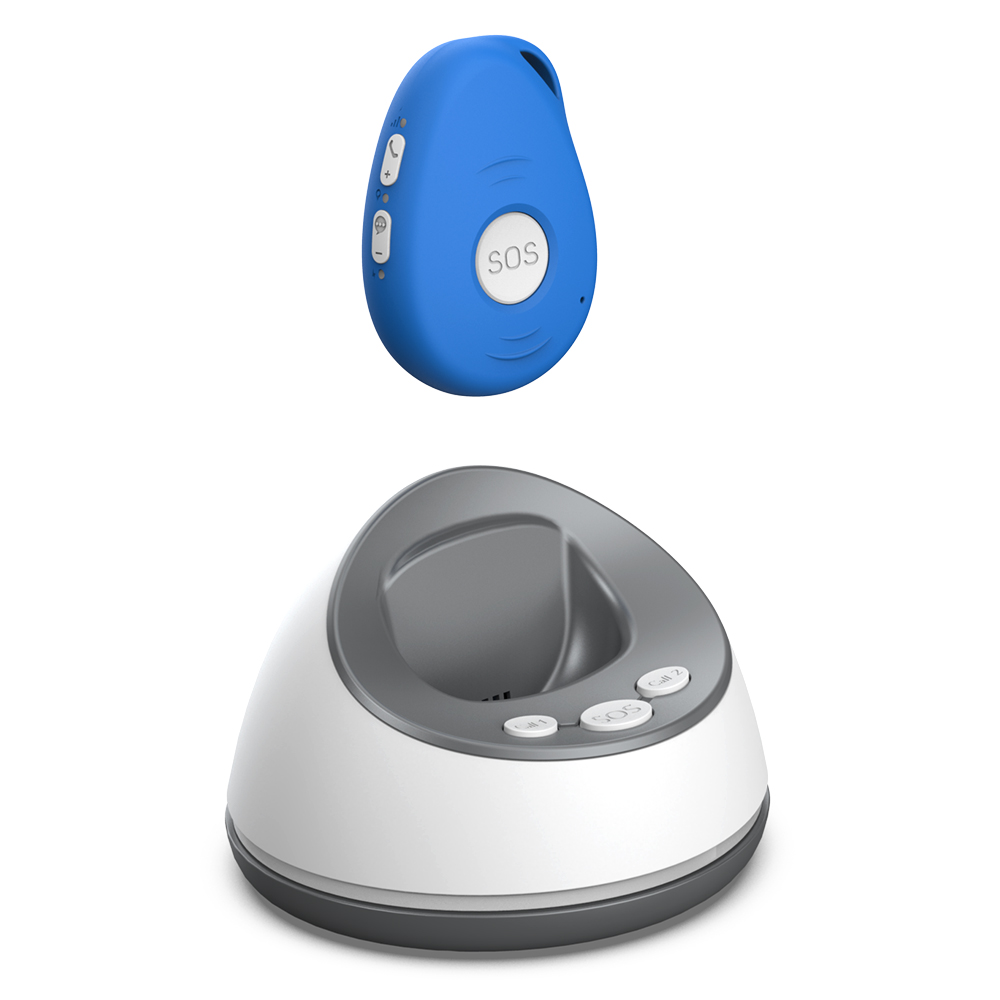
If you are comparing options, it helps to look at devices that do not lock you into a long-term contract. Some senior GPS alarms, such as the one from familyr.co.nz, allow you to buy the device and arrange your own data plan without monthly fees. That kind of flexibility can make it easier to try the device without a big commitment.
Final thoughts
Both medical alarms and senior GPS alarms have their place. The key is to match the device to the person's actual needs rather than assuming one type fits all. A medical alarm works well for a homebody. A senior GPS alarm gives peace of mind for someone who is still on the move. By understanding the differences in how they work, where they work, and what they cost over time, families can make a choice that truly helps their older relative stay safe and independent.